

Architecture has more than four walls and a roof. It’s the difference between a house that simply stands and a home that actually works for your family, your climate, and your land. In Jharkhand, where rocky plateau terrain meets hot summers and heavy monsoons, the best architectural design isn’t about copying a picture from Pinterest. It’s about choosing a layout, material, and style that genuinely suits the region.
Whether you’re building your first home in Ranchi, renovating a family house in Hazaribagh, or just trying to understand what “good design” even means before you talk to an architect, this guide breaks it down simply.
Why Architectural Design Matters in Jharkhand
Jharkhand isn’t like Mumbai or Delhi. The soil is often rocky and uneven, summers are dry and hot, monsoons are heavy and sudden, and many plots sit on sloped or undulating land. A design that ignores these realities can lead to water damage, poor ventilation, or unnecessary construction costs.
Good architectural design in this region does a few things at once:
- Works with the land instead of fighting it (foundation planning for rocky or sloped plots)
- Keeps homes cool naturally through ventilation and orientation, reducing electricity costs
- Balances modern needs with local preferences like Vastu-friendly layouts
- Uses materials and techniques suited to local weather and budget
For homeowners across Jharkhand, whether in Ranchi, Hazaribagh, Bokaro, or Dhanbad, understanding these basics helps you have smarter conversations with your architect and avoid costly redesigns later.
How People Experience Architecture Without Realising It
Most people don’t think about architecture until they’re building a house, but good and bad design is something everyone already experiences daily.
You experience architectural design choices through:
- A home that stays cool in summer without running the AC all day
- Natural light reaching every room instead of dark, closed-off corners
- A layout where the kitchen, living room, and bedrooms flow logically
- A façade that ages well instead of looking outdated in five years
These everyday comforts (or frustrations) are almost always the result of design decisions made, or skipped at the planning stage.
Core Concepts of Good Architectural Design
Before choosing a style or hiring an architect, it helps to understand a few foundational ideas that shape every good design.
Site Analysis: Understanding your plot’s soil type, slope, sun direction, and surroundings before drawing a single line Functional Layout: Arranging rooms based on how your family actually lives, not just how it looks on paper Climate Response: Designing for cross-ventilation, shade, and natural light suited to Jharkhand’s weather Material Selection: Choosing materials that balance durability, local availability, and budget Vastu Compatibility: Aligning room placement and entry direction with Vastu principles, where the family prefers it
A design that skips these basics might look good in a 3D render but often performs poorly once people actually live in it.
Popular Architectural Styles in Jharkhand
Architectural preferences across Jharkhand tend to fall into a few broad categories, each suited to different budgets and lifestyles.
Traditional Style, Sloped roofs, courtyards, and natural materials; popular in older family homes and rural areas, often chosen for cultural and climate reasons Modern Contemporary, Clean lines, flat roofs, large windows, and minimal ornamentation; increasingly common in newer Ranchi and Bokaro homes Vastu-Compliant Design, Layouts built around entry direction, room placement, and natural elements; widely preferred across age groups, especially for primary residences Budget-Conscious Functional Design, Simple, efficient layouts that prioritise utility and lower construction cost over decorative elements
None of these styles is objectively “best” the right one depends on your plot, budget, family size, and personal preference. A good architect will help you find the right combination rather than pushing one style for every client.
Choosing the Right Architectural Design: A Practical Approach
Rather than starting with a style, it helps to think through your project in a logical sequence.
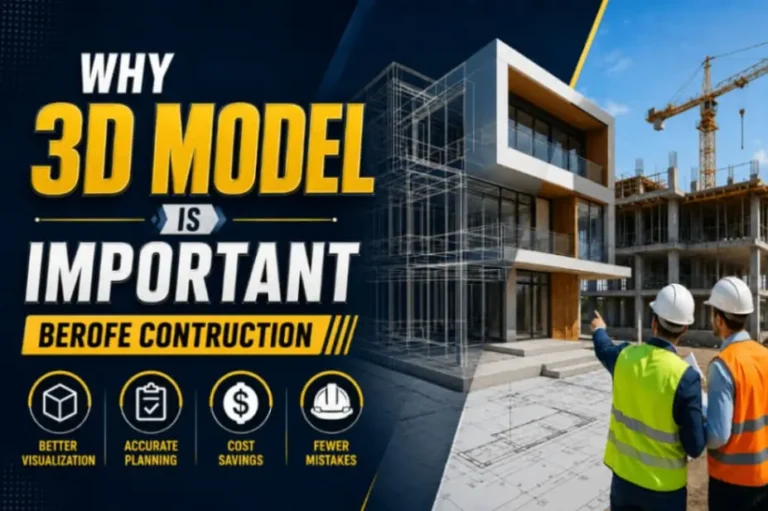
Start by understanding your plot its size, soil type, and direction-facing, since this affects everything from foundation cost to natural lighting. Next, think about how your family actually uses space day to day: do you need a home office, a joint-family layout, or room to expand later? From there, a good architect translates these practical needs into a floor plan (often called a naksha) and a 3D elevation, so you can visualise the design before construction begins.
This step-by-step approach of plot analysis, functional planning, then design, consistently leads to homes that are easier and cheaper to live in over the long run, even if the upfront design process takes a little longer.
Architectural Design Process: What to Expect
A clear, structured process helps homeowners know what’s coming at each stage, rather than feeling lost in technical conversations.
Initial Consultation
- Discussing your requirements, budget, and preferences
- Site visit to assess plot conditions
Design Development
- Floor plan (naksha) drafting
- 3D elevation design for visualisation
Refinement
- Revisions based on your feedback
- Structural and Vastu adjustments where needed
Final Handover
- Approved drawings ready for construction
- Material and cost estimation support
This progression helps homeowners move from a vague idea to a buildable plan with confidence at every stage.
Why Thoughtful Architectural Design Matters More Today
As land in cities like Ranchi becomes more expensive and plots get smaller, good design matters more than ever. A well-planned layout can make a compact plot feel spacious, while poor planning can make even a large plot feel cramped and inefficient.
Thoughtful design also has long-term financial benefits, homes designed with proper ventilation and material choices typically cost less to maintain and cool over the years. And as more families in Jharkhand build their first independent home, getting the design right the first time avoids expensive structural changes later.
Understanding the basics of good architectural design also helps you evaluate any architect or firm you’re considering, regardless of who you eventually choose to work with.
Getting Started with Your Home Design
Starting your home design journey with a clear plan makes the entire process smoother. A structured first consultation helps translate your needs, budget, and the realities of your plot into a design that actually works, rather than starting construction and adjusting as problems appear.
For homeowners across Jharkhand exploring architectural design services, working with a team that understands local soil conditions, climate, and Vastu preferences can make a real difference in how your home performs for years to come.
If you’d like to see how this works in practice, you can get in touch with Bhuvi Homes for a design consultation and discuss your plot, requirements, and budget directly with our team.
Frequently Asked Questions
What is the best architectural design style for homes in Jharkhand?
There isn’t one universal “best” style, traditional, modern contemporary, and Vastu-compliant designs are all popular, depending on the family’s preferences, plot, and budget.
Is Vastu important in architectural design in Jharkhand?
For many families across Jharkhand, Vastu plays an important role in room placement and entry direction, and most architects in the region factor it into the design process.
How much does architectural design cost in Jharkhand?
Costs vary based on plot size, design complexity, and the level of detail required (basic floor plans vs. full 3D elevation and structural design), so it’s best to get a personalised quote.
Do I need an architect for a small house in Jharkhand?
Yes, even small or budget homes benefit from proper planning, since good design can make a compact plot feel more spacious and functional.